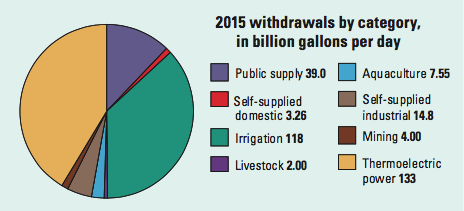
USGS Water Statistics
In the U.S. alone, one-third of all water use goes to landscaping, second only to thermoelectric power usage.
Grass lawns are both an ecological and economic disaster. Fertilizers that deplete soils of organic matter, pesticides that harm beneficial insects, birds and wildlife, and water usage are only a few of the reasons to kill your lawn.
In this post, you’ll find information on how to create a regenerative landscape and examples, including my experience. Let’s start with an overview of what it actually means to have a regenerative landscape.
A few years ago, I removed the majority of the grass in my front yard and created a natural landscape. You can read about that here. It created not only a beautiful garden, but was also immediately inviting to birds, butterflies and bees. Our resident garter snakes are big fans, too.
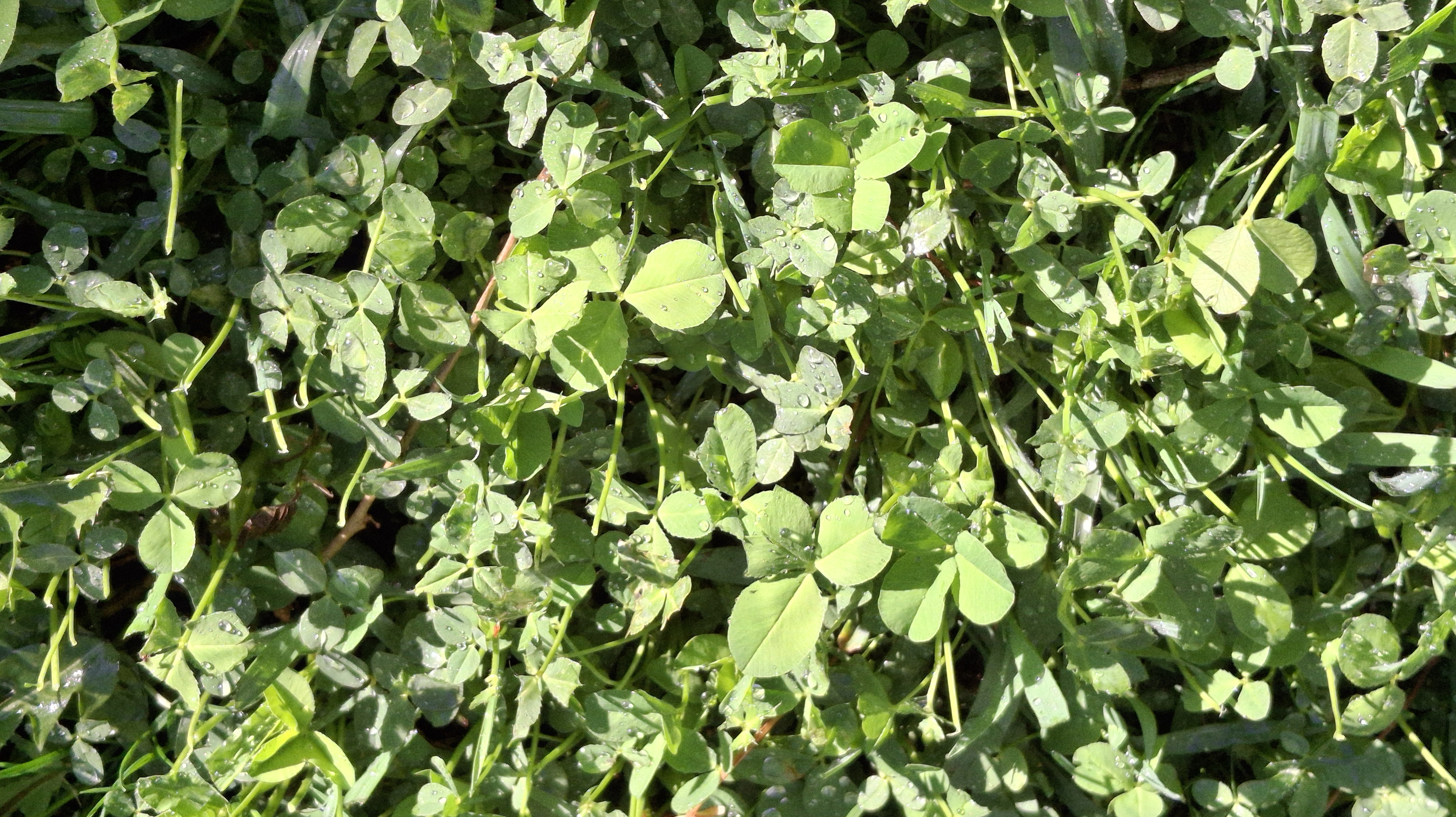
Clover and grass lawn in my backyard
In the backyard, because of the critters, I needed to keep the grass. I chose a drought-tolerant, hardy, tall fescue, Kentucky bluegrass, and perennial ryegrass mix. I mixed that with white clover and red clover. The red clover, unfortunately, didn’t make it through the first winter, but the rest has created a very sturdy lawn for big Great Dane feet. Clover, btw, stands up to dog urine very well.
Clover is an excellent choice, either mixed with grass or as a standalone lawn.
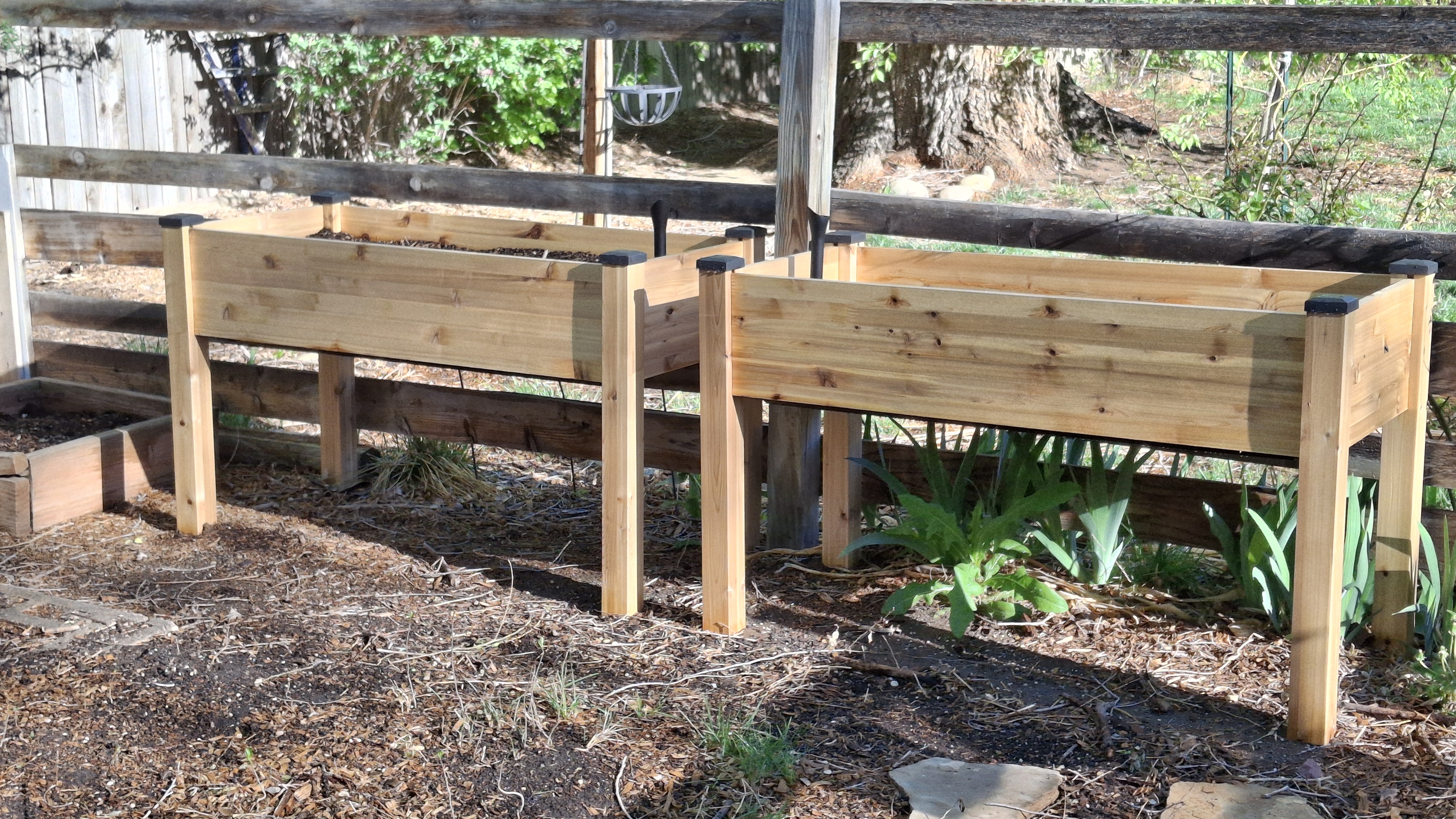
Because we are looking at record heat and drought this summer, I traded in my raised beds for elevated beds. Even with heavy mulching, the raised beds took too much water for what I was growing. The elevated beds are smaller and will have a drip system. I kept one small raised bed (left) for my cucumbers, so they have room to climb.
:max_bytes(150000):strip_icc()/three-sisters-why-you-should-plant-corn-beans-and-squash-together-4857996copy-e1524251e3b8418f913b145ae38cebed.jpg)
I am also trying my hand at a Three Sisters Garden in an area that will eventually get a shed. Because this is where the duck coop used to sit, I expect that soil to be teeming with nutrients. I didn’t want it to go to waste this growing season.
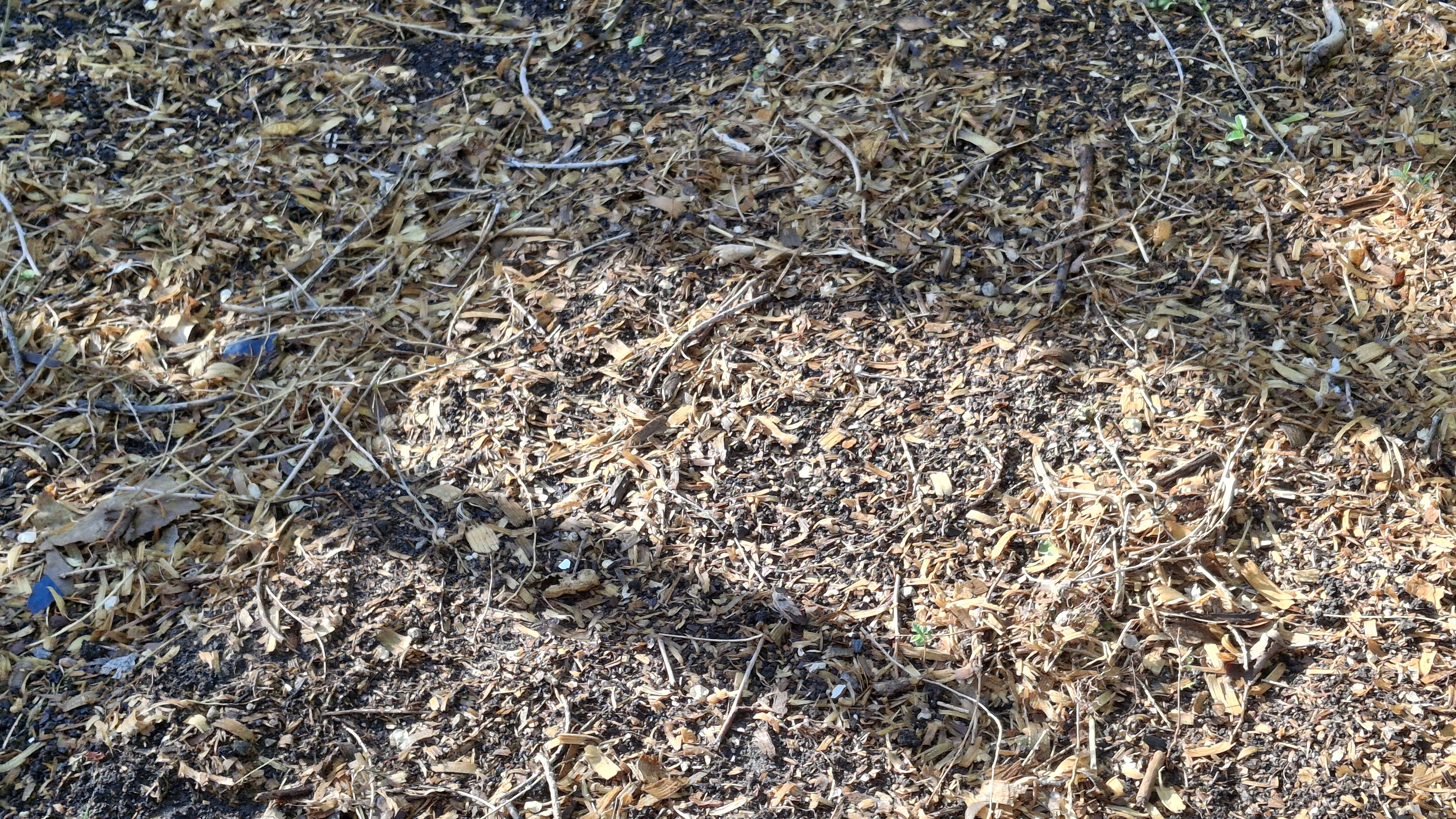
What to plant, what to plant?
This garden bed change left me with a large swath of excellent soil that needed cover. It will get dog traffic, but not nearly as much as the rest of the yard, so I wanted to experiment with some regenerative options. First up, I planted clover and yarrow. I also transplanted a few volunteer wild violets. Over the summer, I think I will add some creeping thyme. The dandelions are welcome as well.
Finally, a comprehensive look at the various types of regenerative landscapes you can create.
It is possible to create a regenerative, drought and heat tolerant landscape that fits your needs. A good place to start is local County Extension websites, local botanical gardens, and even walking around local neighborhoods. See who is creating alternative landscapes. This is actually how I started. It was a great way to meet the neighbors. And everyone wants to talk about their gardens. I know I’m always happy when someone stops by to ask how I created mine.
Until next time…


 Living Lightly